in loco program

in loco fellows blog series #10: WE ARE THE CHANGE WE SEEK

Everybody can be great. Because anybody can serve. You don’t have to have a college degree to serve. You don’t have to know the second law of thermodynamics in physics to serve. You only need a heart full of grace. A soul generated by love.” –Martin Luther King, Jr.

Drawing my inspiration from a strong belief that volunteerism is a powerful way of engaging people in tackling development challenges, I first heard of rise (Relationships Inspiring Social Enterprise) back in 2017 when they were calling for applicants to their first ever cohort in Lesotho. Unfortunately I could not apply at the time because I had just landed a new job at one of the design and construction companies in the country but that did not stop me from following rise on social media. It was through the social media platforms where my interest in the organization and its volunteer program grew greatly as I realized what the organization was doing not only for recent graduates through the entrepreneurship trainings but also for the disadvantaged children at God’s Love Centre and the surrounding community.

Finally, in 2019 another call for applicants into the second cohort was out. I did not have to think twice about submitting my application because by then I knew for sure that I wanted to be part of the rise family, so without hesitation I submitted my application and I got admitted into the program.

Being a fellow in the in loco program was a dream come true because as an Architectural Technology graduate I have always believed that great architectural design is a result of collaborative effort combined with innovative and sensitive values that transform spaces and places into creative and unique solutions for the betterment of people’s lives and earth as a planet.

What really fascinated me about the program is rise’s design approach, which involves the client from the very early design stage so that we can better understand the needs and problems of the client. This approach allows us to work with the client and come up with solutions that the client understands and has ownership of; in this way the designer acts as a facilitator while the client designs.

It has been four months into the program and I am proud to say that I have acquired so much knowledge about different disciplines. This is all due to the fact that the in loco fellowship programenables multi-disciplinary interactions between different professions in the built environment.

rise’s in loco-fellowship programis such a great platform because it also acts as a positive space where recent graduates can have fun, exchange ideas on how to build a better tomorrow,  help each other grow  while also serving their communities.

READ MORE
in loco program

in loco fellows blog series #9: At school it’s just the basics. The real learning is on site by doing

My name is Ntina (Peter) Makhetha. I am a 2017 Construction Management graduate. I first knew about rise’s in loco fellowship program in mid-2018 from one of my ex-tertiary colleagues who was one of the fellows in the first pilot program. Immediately after graduating we were all over the place looking for jobs. By the time I got to know about the opportunity applications were already closed. I saw how the in loco program gave them not only on site experience, but also the business training sessions turning them from being jobs seekers into job creators.  I couldn’t wait for the recruitment of the second cohort so I followed rise on social media to be updated about second in loco fellowship applications. 

Fast forward mid-2019 a post was published, I couldn’t miss it as I had been waiting for it, I applied and got lucky and was admitted. August came, we began our 6-month fellowship with my first ever experience, the participatory design workshop of the IDAL project, which was all about designing involving the client to understand and cater for their needs into the design. Within that 2 weeks workshop I took part in the Quantity Surveying Team, doing the Bills of Quantities. I learned more about teamwork as we had to work hand in hand with the design team and understand their drawings.

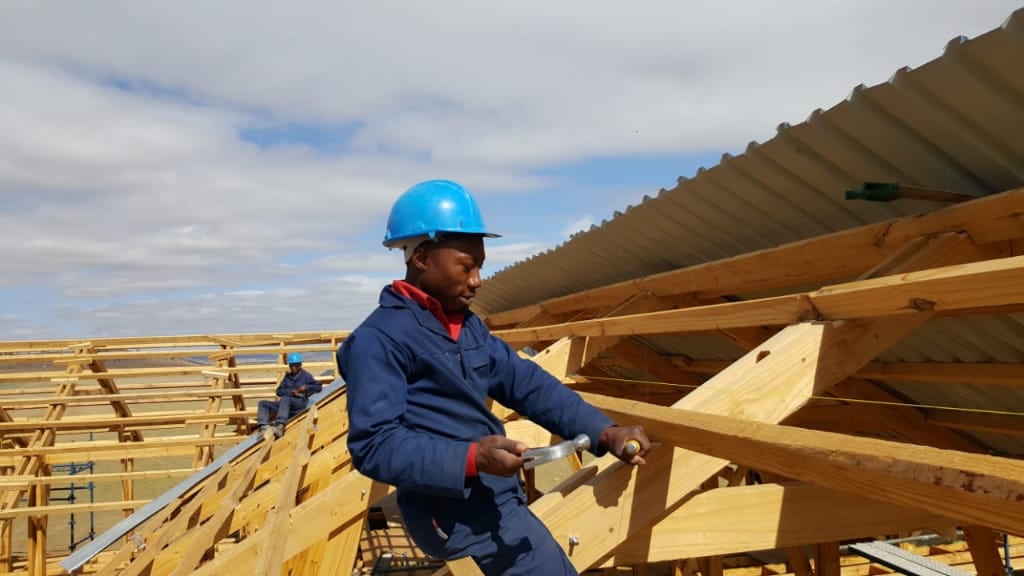
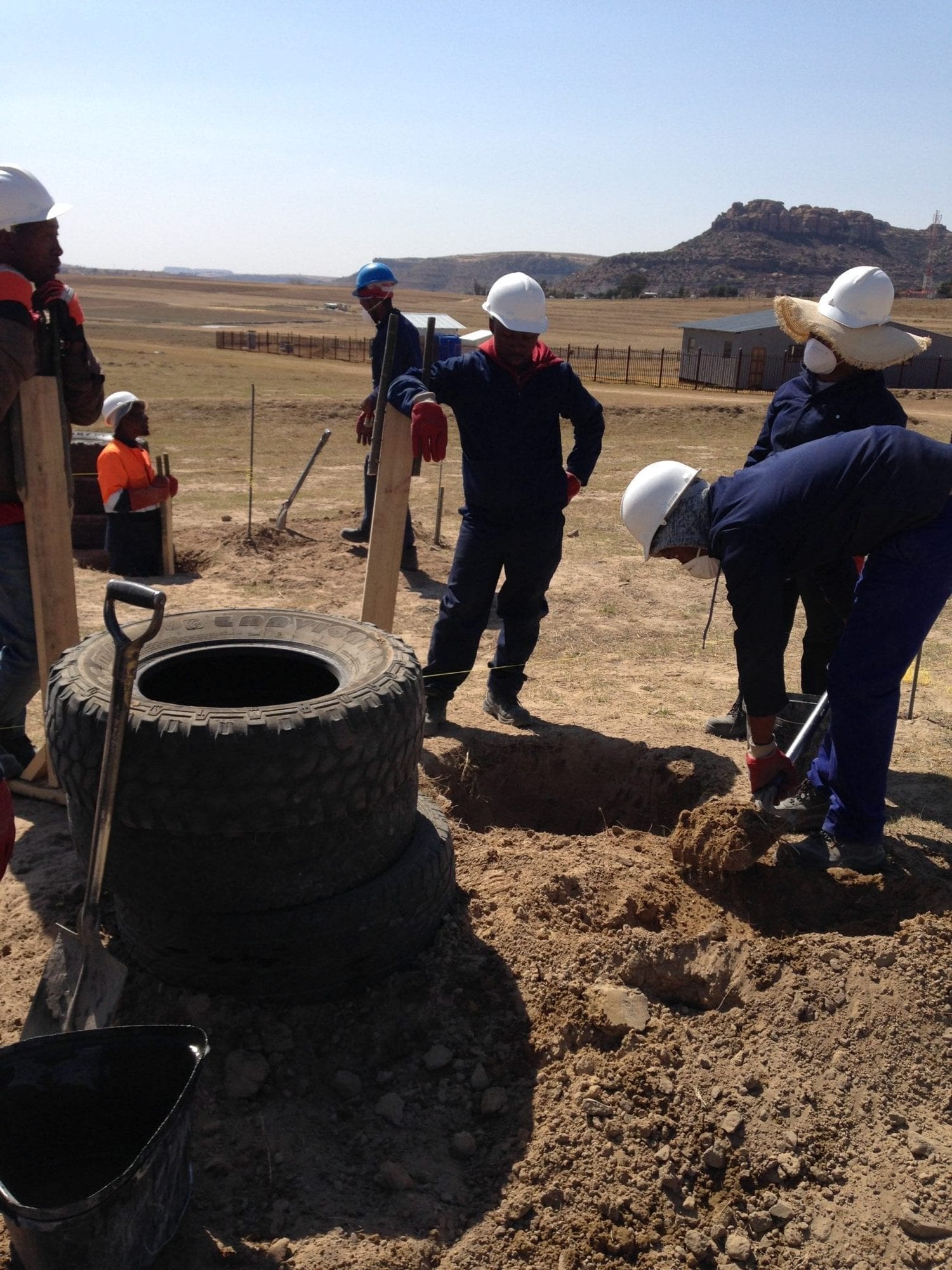
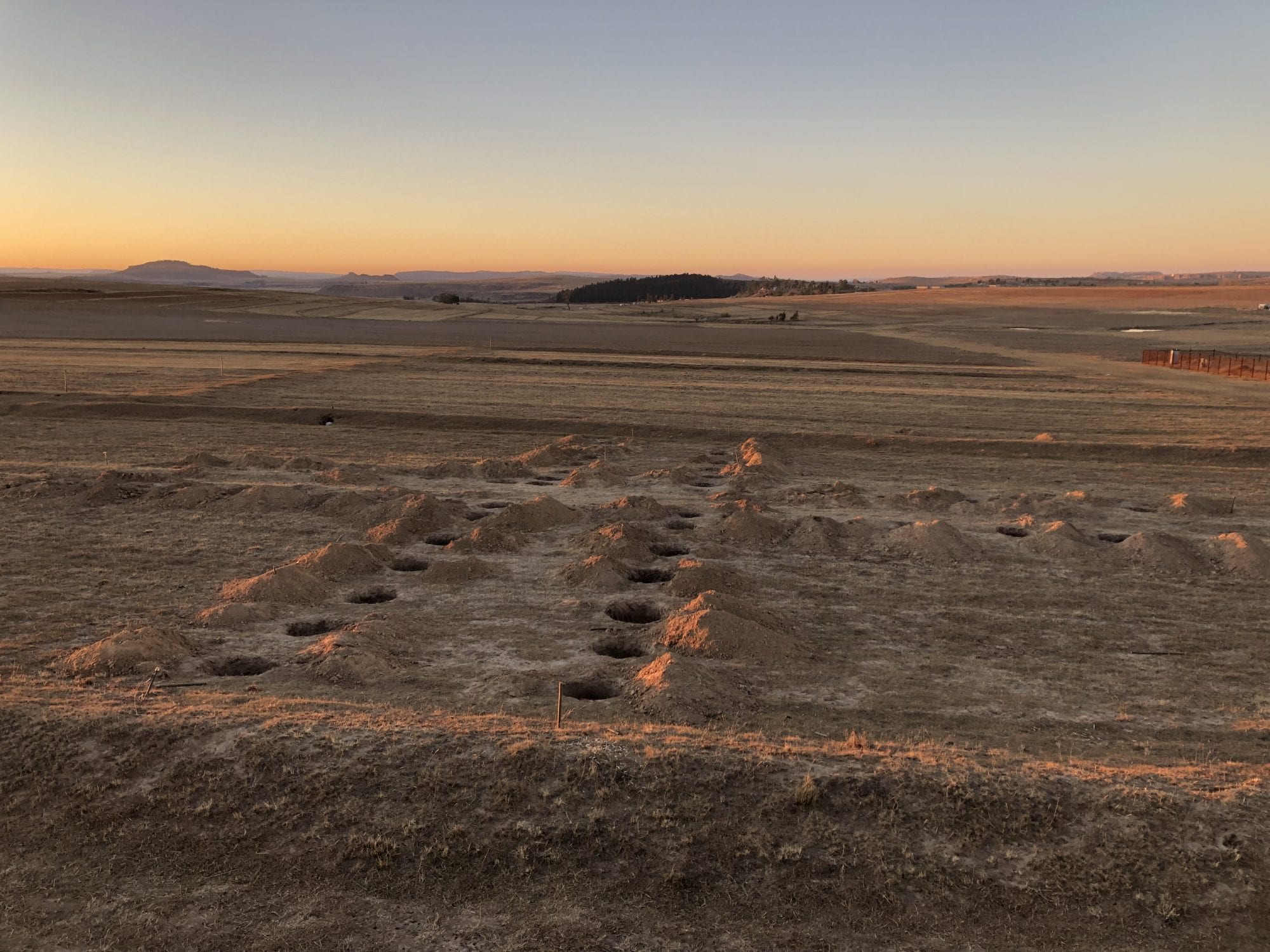
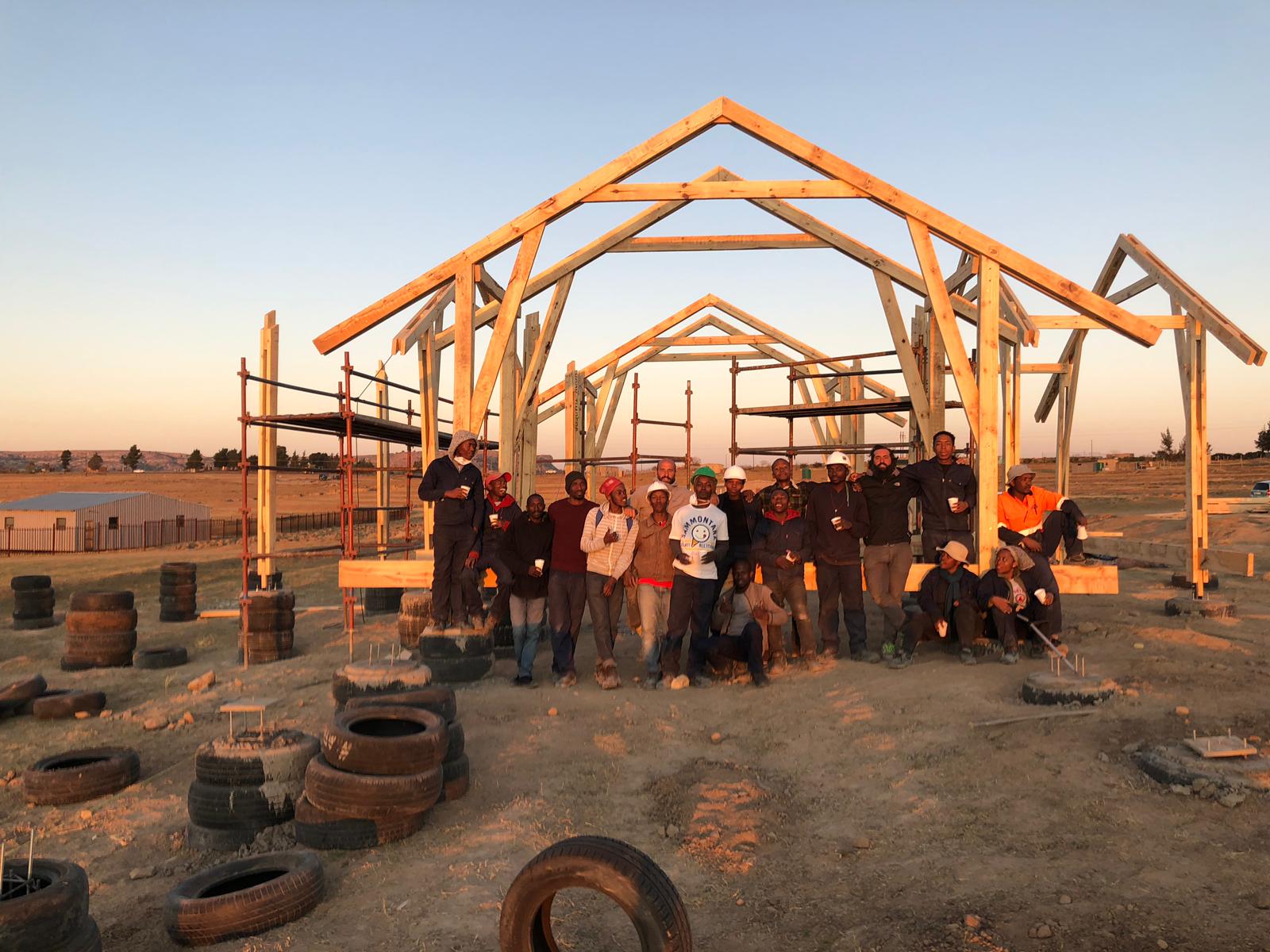
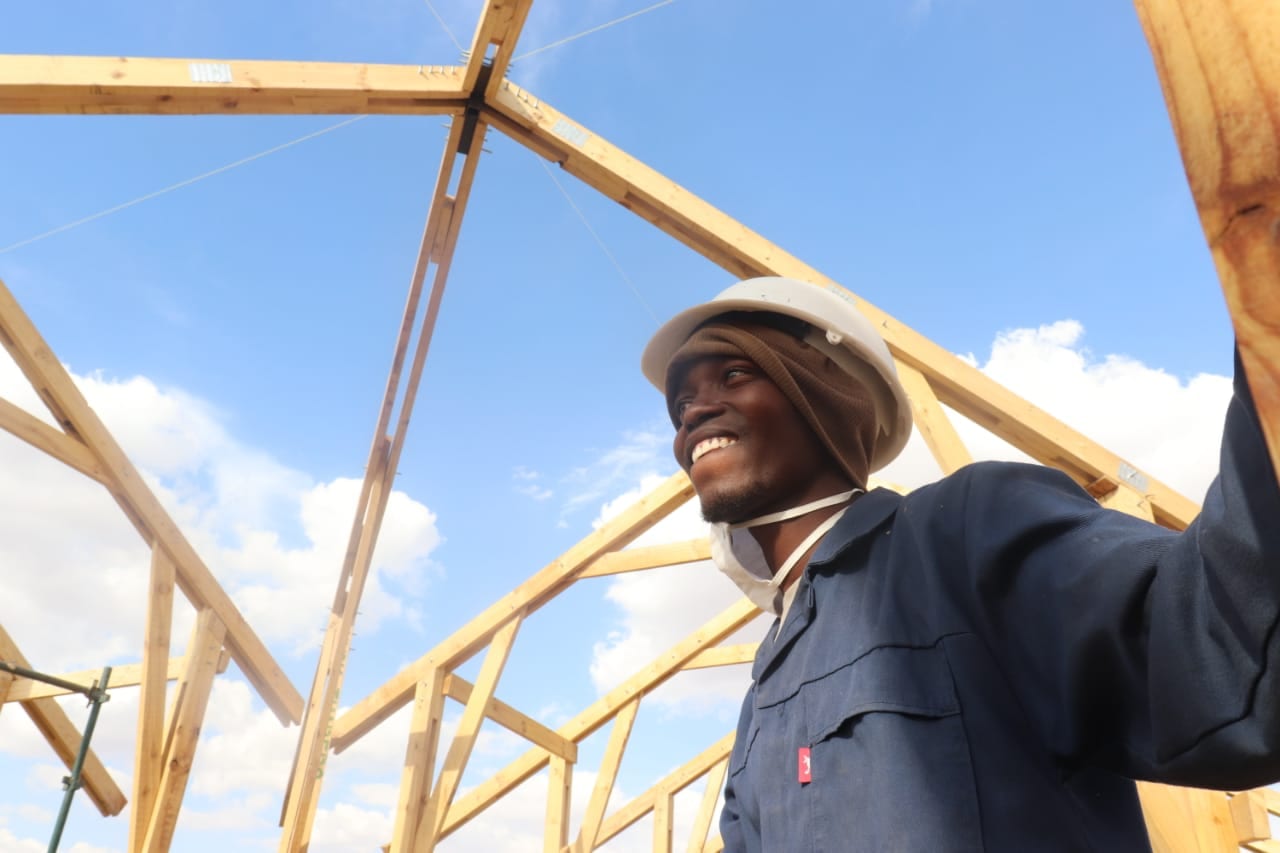
Later we went to site, for the commencement of the construction phase, as a Site Manager, it was such a huge opportunity and exposure to have taken a lead in the execution of a timber structure from its foundations to the top. Amongst all, the most critical tasks that I got my hands dirty on was setting out, excavation, levelling, reinforcement, concreting, raising up the pillars and roof trusses which are the major structural elements of the project. As the in loco program is about learning by doing, I switched roles 3rd month into the fellowship and took on the Events Coordinator. role I wanted to improve my soft skills, especially  my communication skills and be a confident public speaker which I managed to strengthen and now it’s safe enough to say I’m way better than before I joined in loco 2019.

 At the moment I’m working as a Plant and Logistics Manager as well as a Quality Control Officer. I did learn a lot of things in a short time. I learned more than I anticipated, multitasking and working under pressure. Many thanks to rise through its in loco program for all the valuable experience and entrepreneurship skills which has enable me to start developing my own Construction Company.

READ MORE
in loco program

in loco fellows blog series #7: Never lose hope, Give it a try

Some time after I completed my diploma in construction management in search for job opportunities, valuable skills and experience in the design and build industry, i come across one of my ex-classmates who introduced me to the impact of the in loco fellowship program. I never let the opportunity pass me by, I applied for the fellowship and was called for an interview. Guess what, today I am enrolled amongst the in loco fellows at rise International (Relationships Inspiring Social Enterprise).

We are currently working on the project of IDAL (Intellectual Disability & Autism Lesotho) Centre. The first thing we did for the project was to conduct a Participatory Design Workshop, the aim being to understand the clients and their needs and thereof come up with solutions to their problems with the in loco materials and talent.

The first week of the program I had to work on the tendering process where i did the costing of the project by preparing the bill of Quantities. It was an enjoyable time for me to enhance the skills and knowledge I had prior to school by using the necessary tools introduced to us by the rise team which were the bills of quantities templates, schedule of works and the rise database. Such tools are necessary in managing time, cost and effort.

Two weeks later it was my time to get to experience the role of being the site manager. Very challenging moments to execute the project, giving tasks to the other fellows and the application of the managerial skills and knowledge I got at school, conducting site meetings, preparing site reports, schedule of works and many others.

 The fellowship has changed me from being a job seeker to an entrepreneur through the business sessions we are getting, fire is burning inside me to bring tremendous changes into people’s lives. I gained a lot of both soft and technical skills in the managerial system by collaborating with the fellows and the rise team who I regard are my mentors.

READ MORE
in loco program

in loco fellows blog series #6: When opportunity presents itself, don’t be afraid to go after it

It’s a friday afternoon and my tertiary ex-classmate whom I hadn’t spoken to in a while drops me a WhatsApp text. To my surprise, the text is an invitation to the in loco fellowship which at the time, I had not heard of. This was my cue to do a little research. I searched it on Facebook and guess what? I got so excited about the fellowship and wished I had known about it earlier and applied. Before I knew it, I was called for an interview and here I am today, an in loco fellow at rise International.

Amo varnishing the IDAL pavillion

From my research, I saw the fellowship as an integral part of my long-term career or academic life goal. I saw it as an ideal way of taking my civil engineering expertise from one level to the next. However, the greatest reason I wanted to pursue the fellowship was my desire to change my current path towards something I’m passionate about- Entrepreneurship.

Few weeks into the fellowship at the participatory design workshop, I’m all excited, learning but eager to go on site. And now we are on site as three girls from thirteen fellows. How challenging!

Through the fellowship I have learnt to work with different personalities, although it hasn’t been easy. But now that we know each other, I know how to handle each of them.

Amo in the back with other two fellows – Lits’oanelo (left) and Peter (right)

 By nature, I am an introvert and having to work with other fellows was a bit challenging at the beginning. I struggled to express myself but as I get to know them, I’m opening up a bit and I love how they have changed my perspective on a lot of things and on life in general.

 One of the most beautiful things about this cohort is that we motivate each other but with a dash of humour attached. I remember this other time when I forgot where a file in the Google Drive was located, and they said, ‘Really Amo?! A month into the fellowship and you still don’t know where the file is?’ From that moment onwards, I made sure I knew where every file is saved and paid attention to even the smallest details. Funny thing is, they also couldn’t remember where the file was!

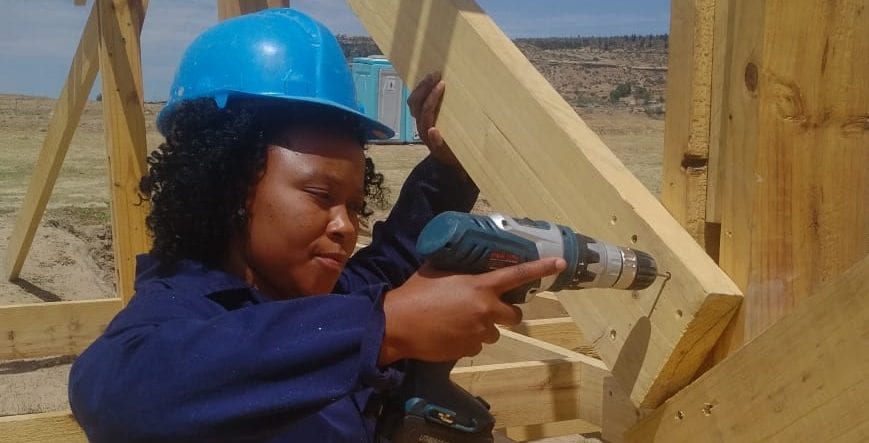
Three months into the fellowship and I have acquired soft and technical skills I never thought I would have. I have acquired communication and negotiation skills and carpentry to name a few. I now know a bit more about construction from foundations up to the roof and I’m excited about my experience.

READ MORE
in loco program

in loco FELLOWS BLOG SERIES #5: Living the dream

‘’My passion and great enjoyment for architecture, and the reason the older I get the more I enjoy it, is because I believe we-architects can affect the quality of life of the people.’’ Richard Rogers

As an architectural graduate, I first got introduced to rise way back in 2015, at Limkokwing University when rise held their first lecture at my university. From that day, my admiration for architecture and perception about the built environment specifically with building with local materials was activated. I realized that I knew less about various methods of construction that existed in other African countries. From that day, I started following rise’s lectures, after seeing their impact and the drive about helping out less developed countries with resources they have.

Sello overseeing the installation of one of the wing frames

Fast forward, my senior architecture students got enrolled into the in loco program, where they worked on GLC*(God’s Love Centre Orphanage) in 2018 in Sekamaneng. This in loco program was ‘a learn by doing;.’ program, where graduates are equipped with all necessary skills (construction skills) before being introduced to the industry. I was very inspired and hoped they’ll recruit other graduates after the first cohort. It was a dream come true when I realized they were recruiting again this year (2019). I didn’t hesitate, I applied with the hope of being admitted, and my prayers were answered, I was accepted into the fellowship.

 The project we are working on as the second cohort of fellows is the IDAL (Intellectual Disability & Autism Lesotho) Center, where we designed and are currently building a pavilion, a timber-made structure, which is so intriguing to work with, because it’s one of the rare methods of construction in the country for big projects like this.

Sello getting his hand dirty!

 As an architecture graduate, I have learned more than I had anticipated about construction and by actually not just designing and handing over a project to be constructed by a construction professional, but also getting my hands dirty. I also learned concrete mixing, to using a concrete mixing machine, timber construction and tools, detailing, business and entrepreneurial and interpersonal skills.

At first I was appointed to be a buyer or procurement officer, which entails a lot of paper work and buying construction materials and equipment in this context. This was a challenging role, but I got used to it as time went on. Currently I’m working as a site architect, which entails, reporting progress on site, faults, daily tasks and weekly reports.

Lastly, I’d like to thank rise for recruiting us into the fellowship, it has been really amazing and a very valuable experience of reaching out to the communities and empowering youth as fresh graduates before being introduced to the industry to pursue our dreams. And our slogan is, if you want to go fast go alone, but if you want to go far, go together.

READ MORE
in loco program

in loco fellows blog series #4: Grab every opportunity that comes your way because you never know where it will lead

Being a fellow changed the way I perceived myself and the world around me. After a car accident I experienced in 2015, which made me lose my memory, I never thought I would ever be myself again.

I am that nice lady, an extrovert nurturer who always wears a smile on her face, creates a peaceful environment and enjoys working with other people. Feeling incompetent because of the accident, I turned to selling printed t-shirts, caps and so on, and promoting developing companies to be well known in and out of the country. Divine Ginger Company and Tlotsa Company are my life examples.

This way of life grew into my love for working and made me think that I could become a better businesswoman because I could fend for myself and also feed my family through this business. While I was doing all these duties, I never thought I would go back to my profession as an Agricultural Education graduate. I had a fear of meeting with other people of the same profession, thinking I am no longer good enough to be in the professional world due to my memory loss during accident.

In July, when I was browsing FaceBook and advertising my stuff, I saw an advertisement for a job application from rise. It caught my attention when I found that it partnered with God’s Love Centre orphanage because as a nurturer, I gain satisfaction by helping others. So I knew it would be a great idea to be part of the in loco program.

Berny on site

This is my third month in rise and I feel very lucky to be part of this fellowship because it is more like a family than a job to me. Rise does not only care about work related issues but is also concerned about personal issues for each fellow. This is because I met a problem health wise, where the pin metals inserted on my pelvis after the accident broke and a doctor prescribed walking less than a kilometer a day. And I thought that day was an end of my fellowship with rise. But to my surprise, they looked for a better way for me to work so that I do not further disturb my fractures. This made me feel at home with the in loco program though this hinders me from exploring more on site works as it is a design and built environment.

I am now an office administrator. It wasn’t easy at first, but it is getting fun with time. I am learning a lot more computer literacy than before and all office administration tasks within the office environment. It is within a short period of time but I have learned so many skills. I am now an Agricultural Education graduate with office administration skills, improved computer literacy, report writing skills, events coordinating skills, quantification skills in the construction industry, carpentry skills and yet to master entrepreneurial skills and many more.

Berny in the site office

One of in loco’s goals is to transform job seekers into job creators, so this can only be accomplished by starting own businesses. In As part of the in loco fellowship rise, we are provided with business trainings every most Fridays, and this is amazing to me for it is the most important part I enjoy. Ever since I could remember, starting a business has been my dream. So I just want to put it out there that it feels amazing to be part of this fellowship. All in all, after the fellowship, I believe one becomes a better version of themselves holistically.

Berny with one of the 100 trees she managed to get donated to the project
READ MORE
in loco program

in loco fellows blog series #3: Success comes from good networking and a lot of experience

In this day and age in our country of Lesotho in order to succeed in any profession you’ve got to have connections and experience, a college diploma/degree alone does not guarantee success.

I got introduced to rise back in 2017 when one of my lecturers at my former school insisted that I should attend a lecture by rise founders and that I would get to learn a lot from the lecture. Without disappointment I did get to learn a lot; about the projects rise has done in Southern Africa that tackled major issues in less privileged communities and about sustainable building using locally sourced materials. This captured my interest in rise and I started following them and attending some of their lectures and film screenings to acquire more knowledge that I could have not get from school.

This is me, Jeff (Mojalefa Hatane)

Fast forward to June 2019 I’m an unemployed graduate and struggling with my freelancing business of Architecture and Graphic Design, with a few clients under my belt. Two friends of mine told me about the in loco 2019 program and that I should apply for it as it would be a great learning experience for me where I would acquire entrepreneurial, design and construction skills. I did not hesitate and I applied for the program since I had already known about the in loco program from the previous year

My prayers were answered and I had been accepted into the program. Now into the program, the project we are currently working on is the IDAL (Intellectual Disability and Autism Lesotho) centre, first off we had to design it but in order to do that we had to understand our clients (people with intellectual disabilities and their families) and their needs. We conducted a Participatory Design Workshop (PDW), which helped us to better understand our clients and their problems, and came up with solutions together. The PDW was a new concept to me but with guidance from the rise members I quickly learned it and I would say it’s a very useful tool to have as a designer.


Jeff casting the foundations with other fellows

A few weeks into the program now on construction site I’m gaining a lot of construction experience from concrete mixing to working with timber, learning from the challenges we encounter, developing my skills through my fellow in loco fellows and the rise team and creating networks. Half of the program is the business enterprise where we are taught to be job creators rather than job seekers and I would say it’s coming along fine, I’m still open to learning more and challenging myself.

A lot of challenges have presented themselves but through hard work and dedication from me and the rest of the fellows we have yielded goods results and I can say I am proud to be part of the cohort.

Jeff, proudly standing in the centre of the IDAL Centre currenty under construction
READ MORE
in loco program

Lesotho, a land with a big smile

Lesotho, a land with a big smile enclosed in too narrow borders to release its strong energy. For me this is the sentence that best describes my experience in this beautiful country. I’m an architect, I’m from Italy and it was my first time in Africa.

The choice to fly to Lesotho and be part of the in loco fellowship came very spontaneously thanks to a dear architect friend, Luca Astorri, for whom Africa is his second home. I didn’t ask questions, I didn’t know what to expect, I trusted him and the joy on his face while speaking about it. It was enough for me to buy the ticket.

Clarissa Orsini with rise’s Founder, Daniela Gusman and Program Director, Luca Astorri

Once arrived, I was welcomed with open arms by a world completely unknown to me. It was not easy at all to have the courage to let myself free to fall in this great and profound embrace. After the first moment of dizziness the emotions overwhelmed me, everything was impregnated of joy and suffering in the same moment, I didn’t know how to behave.

Ha Sekantsi, Community Meeting

It is necessary to get rid of many mental patterns and preconceptions in order to be in tune with this country and make a tangible contribution. It wasn’t easy at first but the guys from the fellowship were wonderful in helping me with this process. Being in contact with them I realized that it is not important where you come from and how you are used to doing things, there is always something new to learn and there is always a different way to teach others, there is no right or wrong approach.  The only thing that matters is that you have to be open to challenges and not be scared, this is the only universal language and for me it was the only language to communicate with them and feel part of something much bigger then myself. It seems simple and for me it was, but only thanks to the people I met who have always transmitted love and understanding towards me. The first few weeks were just about this: teaching and learning.

Participatory Design Workshop with IDAL – Intellectual Disabilities & Autism Lesotho

As an architect I taught them what they needed to know at that time, we followed them step-by-step to convey the important notions and procedures to the world of work. As wonderful human beings they taught me the practicality of life, the ability to always (almost) smile, despite the surrounding conditions.

They are participating in  this fellowship because they have great faith in the world and they want to make it better with their contribution for themselves, their families and their country. When they speak about something, they never do so in the singular form, the speech always includes their loved ones and their community in which they welcomed me and they made me feel part of it and I will never stop to thank them for all of this.

in loco fellows 2019 and Clarissa

I feel really grateful to all this.I came back to Italy with a great joy that accompanies me every day. Even in difficult times, thinking back to Lesotho reorders priorities and makes fatigue much more bearable. It is a country that has also given me incredible landscape memories but without the people who live there it would not be the same.

Foundations at IDAL Centre

I left from there with the certainty that I would come back and I would like to come back soon to be really useful for whatever is needed. One of the most important lessons I have learned is that, every now and then it is good to leave the emotions aside and bring yourself  into the capacity of being practical, pragmatic, doing what is needed where and when it is needed without asking too many questions, and making yourself completely available.

READ MORE
in loco program

in loco fellows blog series #2: Becoming who, I will

For too long a time, I believed that success in the construction industry in the tiny Kingdom of Lesotho had been reserved for prominent professionals who have grown with stature in the country. That employment didn’t include all but those individuals for whom the society has great reverence. To an extent, there is truth to that; experience definitely sets precedence in a sense of surety, especially when we consider the amount of knowledge one should have when creating something as complex as a house. Even so, this is only a part of a large whole.

I got introduced to rise through one of the lecture series they run at my school. What caught my attention about these series, along with the film debate sessions, was the creation of an interactive space for people of predominately students and recent graduates of different disciplines within the built environment. This habitat was a rare yet an exciting setting to be part of, and a much needed one at that.

Kole taking a selfie with some of the other in loco fellows

My interest in the organization of rise grew amicably with each interaction, whether it be social media, or community donation drives. Then finally, I came upon an advertisement of a job application for the next cohort. I was religiously following the cohort progression of the GLC Centre by then, and I did not want to miss out on the amazing opportunity to become part of their pilot program, in loco. Without hesitation, I took a leap of faith, and after a couple of, what seemed all too long, weeks, I became part of the 2019 cohort fellowship.

Kole sitting on scaffolding with Retsepile – another Architecture fellow

In this venture I have learnt so many skills and trades that I had not thought I would have known in such a short space of time. The profound opportunity to amass a network of skillsets from young and eager individuals has truly been a mind changing experience. By going against the norm where people assume that in order to create a well built structure you have to be very experienced, but that’s not really the case because we are young graduates with not much experience, but we are erecting an iconic building in the country. I have been able to consistently challenge myself while harnessing plenty of techniques including carpentry, social media marketing, as well as my architectural designing craft.

Kole learning by doing

The cohort has taught me that with the removal of a miniature mindset persona of having the experienced gain all the power, it invites a conversation that indulges with not just the freshly eager to work graduates, but also that these creative minds can also learn to create opportunities for  themselves and others as well. Entrepreneurship is vital in our communities, and rise has helped me to learn how to harness that power to invoke a positive shift in a life of more than many.

My believes grown from rise can be combined in three words: challenge, change, cohesion.

Kole hard at work

Blog by Nkhole Thakhisi, fondly known as Kole.

READ MORE
in loco program

Lesotho Blues

This time last year it was just an idea. Today, that experience inspired an ambition and a change in my career.

Was it already…? This time, a year ago?

I still remember various thoughts popping up during my last day in Lesotho; “Why am I going back? Can’t I stay for longer? How can I have more of this?”

I am sure, we all have been in the same waters; the feeling of being satisfied and not wanting to be pinched back out of the dream. 

… And you’re probably wondering, what am I talking about? Why? What? How?

Here it goes…

This time last year, I had just arrived in Lesotho, a landlocked kingdom surrounded by South Africa. It happened after I was invited by my professor and put into contact with Daniela Gusman, a Maltese citizen and co-founder of RISE International.  This opportunity of living, working and learning, whilst being part of a well-needed community construction project came right after completing my studies here in malta with a Masters in Structural Engineering, and, well, I couldn’t refuse it.

Exploring the Kingdom of Lesotho’s mountains

WHY? – Why did I choose to go?

Working directly with the benefitting community, RISE International incubates ideas and manages projects with sustainable niches that can provide jobs for the vulnerable locals and hence starts to rotate the wheel from the life of poverty. Through funds and various helping hands, Daniela offers the locals essential resources, such as business skills, mentorship and start-up funding, which otherwise would be impossible to reach the community. This system, that RISE holds, intends to reduce poverty by helping a community stand on its feet. In fact, the project that I had the opportunity to be part of, involved the infrastructure of a new orphanage for God’s Love Centre in a suburb village of Lesotho.

God’s Love Centre Residence for Adolescent Orphans under construction

GLC has seen a large number of children benefitting from its service and thus as numbers kept on growing, a sustainable project by RISE was just like a silver lining; one which not only provided a roof and shelter, but also job opportunities and learning systems to always improve the capacity building of the users. The invitation by RISE for international students in architecture was indeed the idea to connect similar professionals and train each other through the in loco program – training by doing. This gives one the best performance stage to learn by sharing various aspects of our career, both hands-on and through the connections made throughout the project. More over, I had to meet the team behind the project, the workers themselves who are actually newly graduates like myself from Lesotho. This project will serve as a spring board experience for their future professional career.

Adrian with GLC youth helping to convert a container into their computer lab

WHAT? – What have I experienced?
Mornings in mid July started with slow crackling sounds of our joints after the frosty, chilly nights which got better as we put our hands to work. I still smile at the flashbacks of us opening the frozen steel container and every piece of material that was left outside powdered with white frost. This was totally neutralised throughout the day as the sun starts shining and so the locals start moving, all sharing a joke, a smile or an experience with a “stranger”. It is not easy for an African citizen to showcase his knowledge in front of a white European.The smiles definitely help to break the ice and after that I really appreciated each and every moment when fellows approached me and taught me something new, “Not like that… try this – we do it this way!”

Madane Bataung, an in loco fellow with Adrian Cassar

The two weeks on the construction site led me to achieve new skills which I had never ever experienced. It opened my views on new techniques practiced in other countries. Part of the construction involved also vernacular building skills using mud bricks. This was a highlight of the experience. After years of research and learning on such skills, finally I had the opportunity of practicing them and also learning the manufacturing process when we visited a mud brick factory. Two professional architects Luca Astorri from Milan and Pedro Clarke from Portugal mentored the whole process of design and construction. This was a great asset not only for the success of the project but also the growth of each fellow member and thus myself. “Persist in doing something great and not just good!” was a statement regularly shouted out by Luca. And indeed it makes a lot of sense. Being slightly egoistal, it not only makes sense because the product ends up being more of a value but to you yourself, the artist behind the job, will feel much more satisfied when something is done great and not just good! I remember a simple but very impactful example, the brick laying technique. Everyone assumed that the bricks will be put in a stretcher bond pattern as is normally done, until we were challenged by the architects to be different and create something great, not for the sake of being different but for the empowerment that that decision can roll on. Indeed the final design was great – more work but worth the effort, more time but worth the display, more expense but worth the interest!

Local mud brick making company

Working in a team of 15 fellows, sharing responsibility between the team, and managing the site work on a daily basis was an invaluable experience both to my career and personality. After this opportunity I was now just dreaming for a shift in my career.

GLC Commemorative Plaque

HOW? – How did it help my career?

I never wrote down all the positive outcomes from this experience, but I am sure it will be a long list. However, being flexible and leaving room for discussion and hence improvements is definitely a lesson to cherish and perform in my career. When working in different cultures, one cannot impose his knowledge and usual settings. This in return, leaves space for creativity and interesting new outcomes. Imagine what you can achieve after you listen, digest and discuss, rather than just imposing what you thought is right.

The interest in such projects and in Humanitarian Architecture has been developing in me throughout the last couple of years. Through my dissertation research in my final year of studying, I brushed over the subject of shelters, deploying tents and covers for when emergency aid is most needed. This topic of research is what led my Professor to invite me to the Lesotho project. I believe that I found another profound reason for architecture. Necessities within communities give a project a sense of responsibility but also great opportunities for creativity, functionality and success.

Thinking about it … it never stopped, I was never actually finished. After coming back to our little island of Malta, I had to actually force myself into other activities. But! This never stopped me from dreaming, and thinking about what’s next.

Why/What/How is next?

Recently I was accepted by Universitat Internacional de Catalunya to study for a unique Master program in the field of International Cooperation with the main focus on Sustainable Emergency Architecture. This jolt is what I am aiming to be the key to my next couple of experiences in my career; being able to share my knowledge with vulnerable communities. The course cultivates the topics of international cooperation on humanitarian aid actions, including not only developing countries but also migration, natural disasters and city resilience.

Throughout 2019, a group of 12 adoloscents have moved from the old GLC orphanage to this new building taking a sigh of fresh breath as they train themselves in becoming independent beings before they leave the orphanage at the age of 18. The old building, became too hectic, due to the high increase in orphans, and thus the idea of RISE International was to utilise the second building for the older children and create a place where the users themselves can be the owners. Through sustainable, income generating activities on the same site, such as the IT facility housed in a shipping container and the vegetable garden on the back gives the users not only responsibility in maintaining the place but also satisfaction and holistic growth.

in loco fellows and international students
Converted Container
Computer Lab and Grocery Store: Income Generating Activities for GLC
GLC Residential Centre for Vulnerable Adolescent Youth
READ MORE
  • 1
  • 2